Choose a focus.
Name an everyday task and the question you want to explore.
 Explore the app
A movement-learning companion for iPhone
Start with something you want to do. Explore a small change. Keep what you notice, so your next step begins with what you’ve learned.
One meaningful focus.
A little more understanding, over time.

Follow a small
diagonal reach
01 / THE APPROACH
Walking to the corner. Getting up from a chair. Reaching for a shelf. Start with a task that matters to you, and follow your own observations.
Name an everyday task and the question you want to explore.
Notice a starting point, explore one variation, and describe what happens.
Re-check the same task. Keep your learning together for another day.
02 / INSIDE MOTION HABITS
You don’t have to remember every detail. Motion Habits keeps your question, what you tried, and what happened together.
 motion habitsExample
◎ Your everyday task
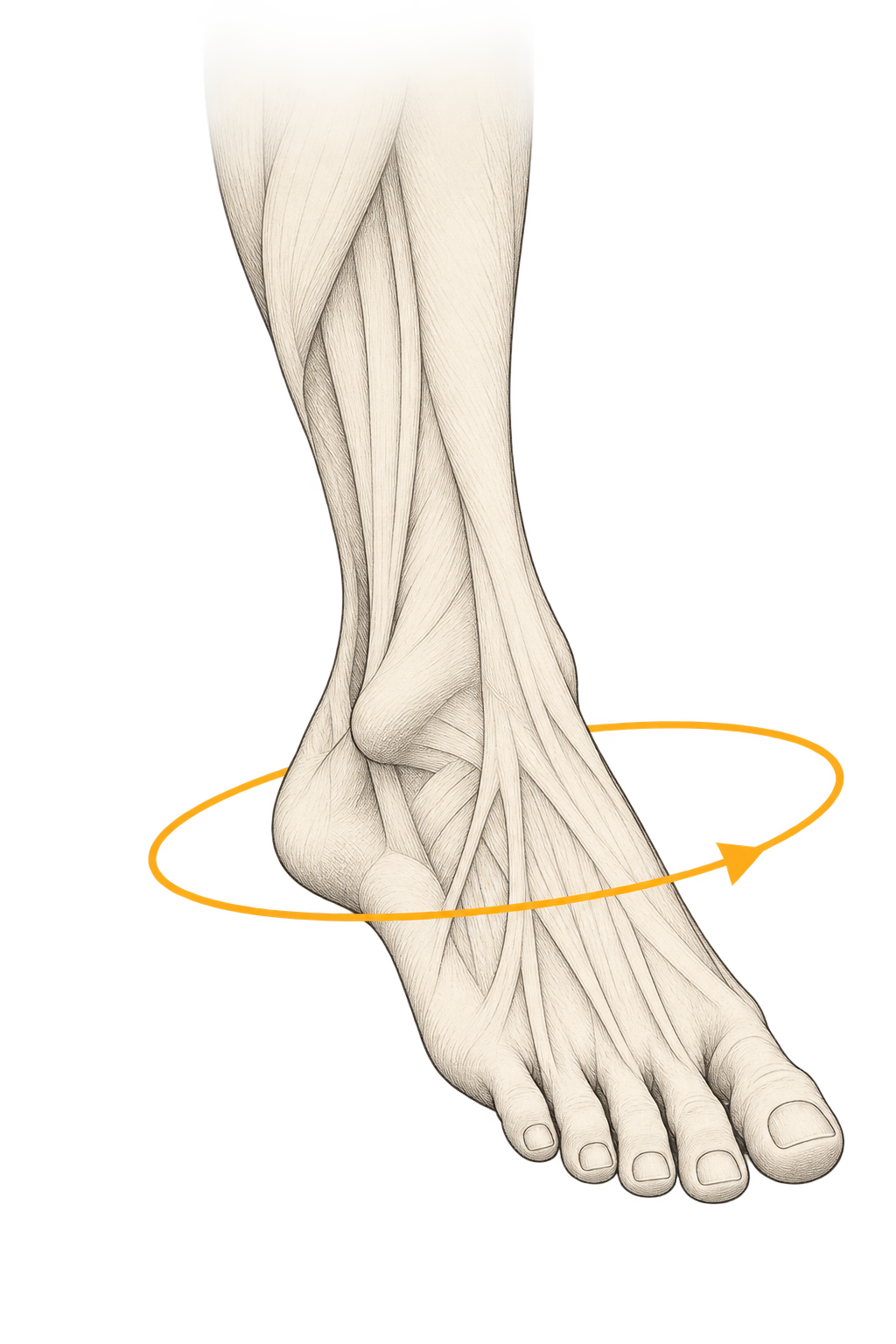
What do I notice when I keep the circle smaller?
A smaller circle, with my leg supported.
▤ Capture
What did you notice?
“There’s a tight feeling near my left ankle when I take the first few steps.”
Details are optional.
Your own words are enough to start.
▥ Your movement map
A smaller circle, with my leg supported.
Question · How does it feel another day?A smaller circle was easier to follow.
No clear difference on the walk.
Can I repeat the same setup?
Explore the three destinations. Illustrative example.
03 / SMALL EXPLORATIONS
Six original, illustrated explorations introduce the approach. Each keeps a starting point, a single comparison, and your everyday task in view.
Illustrations introduce the movement. Your experience supplies the observation.
What I’d like to talk about
How can I make the setup easier to repeat?
A smaller ankle circle with my lower leg supported.
The circle was easier to follow. My walk felt about the same.
The smaller circle, and a note of how I supported my leg.
04 / YOUR LEARNING, IN YOUR WORDS
Prepare for a conversation with a professional using a visit summary you can review, edit, copy, or share yourself.
Your summary is a separate draft.
Your original observations stay intact.
05 / A PERSONAL RECORD
A personal movement map should feel personal. The iOS app keeps saved records on your device, with no account needed.
Correct your words, edit details, or delete a record. Choose what stays connected to a focus.
Export your saved records. Review an import before replacing anything, with a recovery copy of previous records.
Pick what belongs in a visit summary. Review it first, then use your iPhone’s share controls.
A FEW USEFUL DETAILS
People who want to keep track of what they notice, try, and want to revisit around an everyday movement task. You can also retain a cue from your own professional, with its source and the setup you actually used.
Motion Habits is an educational movement-learning app. It keeps your observations and questions together; it does not diagnose a condition, prescribe treatment, or determine which activity is suitable for you. The current explorations are prototype educational content with qualified content review still pending.
Record that. Different, unchanged, mixed, and unsure observations all belong. A change during an exploration stays separate from the result of your everyday task, and the app does not infer that one caused the other.
No. Capture starts with your words, and you can save just those. Location, movement, feeling, context, and a link to a focus are optional. You can return to a note and correct it later.
Saved records and recoverable drafts use local device storage. There is no account sync in the current app. Optional dictation uses Apple’s speech services and may require a network depending on device support. Typing remains available. Exporting a backup or sharing a summary is your choice.
Motion Habits is currently a working native iOS prototype for iOS 18 and later. This site introduces the experience; a public App Store download and release date have not been announced.
MOVE EVERY DAY. KEEP WHAT YOU LEARN.
A movement-learning companion for iPhone.